Table of Contents
Having professional anxiety is different than simply really feeling sad. To be diagnosed with depression, signs and symptoms need to be existing for 2 weeks or more.

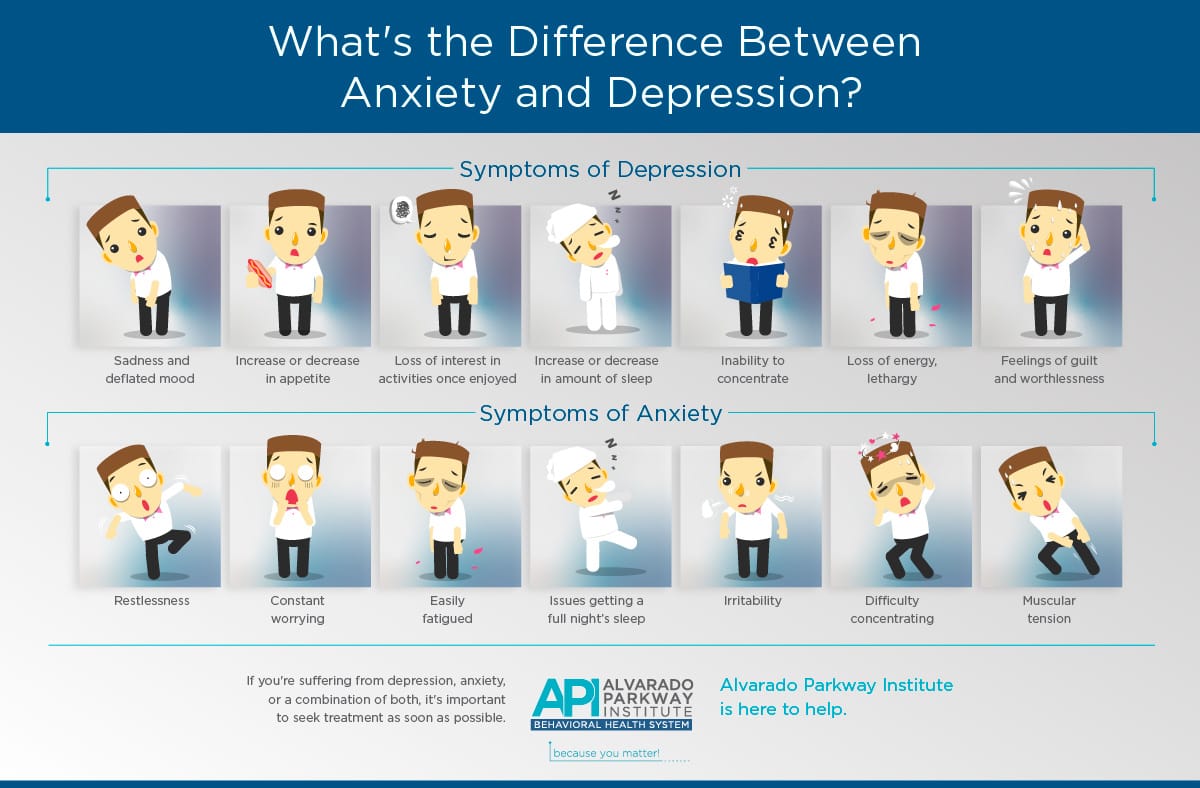
From individual to person the intensity and regularity of symptoms will differ, and while some individuals only experience a few signs and symptoms, others experience lots of. Relentless sad, distressed, or "empty" mood Really feeling hopeless Feeling pointless Angry outbursts, irritability, or stress Loss of rate of interest or satisfaction in hobbies and activities Believing nothing is worth trying Thinking of death, or that life is not worth living Absence of energy Relocating or talking slower than normal Problem with focus, focus, memory, and choice making Feeling restless or having trouble sitting still Hunger or weight adjustments Trouble resting, early-morning awakening, or resting a lot more or much less than normal Pains or pains, migraines, cramps, or digestive issues without a clear physical reason Although clinical depression is one of one of the most common psychological disorders in the US, there is no exact recognized root cause of anxiety.
Embodied Work in Treating Depression
Danger elements for clinical depression consist of: Inherited attributes, individual or family members background of depression Environmental aspects, like significant life adjustments, trauma, or anxiety Psychological aspects Specific physical health problems and medications Biological differences, mind chemistry, or hormonal agents The most effective treatment for anxiety is medication and psychiatric therapy. The earlier that depression is treated, the easier it is to treat.
Chatting to a psychoanalyst, psychologist or various other psychological wellness professional, can be really valuable for individuals with clinical depression. Drugs to deal with clinical depression are called antidepressants. There are several kinds of antidepressants that do various points in the mind, like improve exactly how the brain utilizes specific chemicals, or support your mood.
How Trauma Influences Depression
Some instances of antidepressants are: Careful serotonin reuptake inhibitors (SSRIs) Serotonin-norepinephrine reuptake inhibitors (SNRIs) Irregular antidepressants Tricyclic antidepressants Monoamine oxidase inhibitors (MAOIs) Yes, you can have anxiety and depression at the same time. They are two different and distinctive psychological health and wellness issues, they frequently take place all at once. Occasionally, a person can have both an anxiety disorder and a significant depressive disorder.
In various other cases, depression may cause anxiousness. They are two interrelated mood disorders, and regularly there is some degree of overlap. Yes, there is a difference in between anxiousness and clinical depression drug. There are anti-anxiety drugs especially for treating stress and anxiety signs, and antidepressants particularly for dealing with anxiety signs and symptoms. One type of drug that has revealed to be effective in dealing with stress and anxiety and depression are selective serotonin reuptake preventions (SSRIs).
What Building Healthy Self-Esteem Helps Anxiety More Effectively
Therapy can be a handy device for individuals with anxiety and depression. For both stress and anxiety and depression, CBT involves talking with habits patterns, and aids to educate individuals with these mental ailments how to deal with signs and symptoms.
For depression, it can assist you experience favorable feelings. The bulk of treating stress and anxiety and clinical depression with therapy is overlapping. Using evidence-based techniques details to the therapy of mood conditions, like CBT, and consistently talking with a specialist will aid those with anxiety, clinical depression, or both, make visible renovations. Yes, you can get therapy for stress and anxiety and depression online.
The Importance of Attachment Theory Contributes to Couples Dynamics
Psychological health is complicated. While experts have actually developed specific diagnoses for different sorts of disorders, the fact is that numerous conditions have a lot of overlap, which can make it relatively tough to differentiate between two different troubles. One of one of the most usual problems that individuals have is attempting to inform the difference in between stress and anxiety and depression.
While it would certainly be great if there were a fool-proof means of informing you whether you have anxiousness or depression, it's not quite that straightforward. A single person can quickly have both anxiety and clinical depression, and some individuals may have created depression symptoms as an outcome of their anxiety problem. It's a little bit a lot more hard than saying "you have anxiety" or "you have clinical depression" because it's feasible to have combinations of both.
Signs of one or the various other may hemorrhage into whichever disorder you have, due to the fact that both share comparable reasons, concerns, and so on. The most effective means to understand the distinction between both conditions is with the key signs, beginning with the mental signs. Anxiousness: Worry over what will occur and what can occur in the future.
Research-Backed Modalities in Treating Anxiety Using Building Healthy Self-Esteem
Seeming like you need to escape or prevent things that could create additional stress and anxiety. Anxiety: Feeling of unhappiness regarding the future, as though it's helpless. Laziness, and an absence of belief that favorable points will occur. Little concern, yet rather an assurance of future adverse feelings. Feasible self-destructive ideas.
Those with clinical depression often assume a negative future and do not expect anything else or assume there's anything worth avoiding. Anxiety can happen after someone experiences anxiety, since somebody that takes care of extreme anxiety might wind up feeling drained pipes and hopeless once their stress and anxiety or anxiousness attack mores than. That's why both problems can be hard to inform apart.
Physical symptoms can be really different as well. Though again, there are similarities. Both anxiety and depression can leave you really feeling drained pipes and fatigued. In the case of stress and anxiety, it has a tendency to occur after extreme stress and anxiety, while with depression it has a tendency to be much more constant, without necessarily any kind of triggers.
Physical signs that appear like health and wellness problems, specifically if accompanied with wellness concerns. Clinical depression: Severe lack of energy or drive. Anxiety actually tends to have fewer physical signs, yet the mental symptoms can be so unsafe (specifically the potential for self-destructive ideas) and the absence of energy so pronounced that many individuals with clinical depression bargain with extreme struggles daily that certainly rival the signs and symptoms of anxiousness.

Navigation
Latest Posts
How EMDR Treats Historical Pain in Denver
Why Individual and Couples Therapy Matters in Partnership Healing
Couple Communication Across Neurolinguistic Programming Therapy Counseling Contexts